
Do Indoor Pets Really Need Vaccines?
The Truth Every Pet Owner Should Know
Many loving pet owners believe that if their dog or cat lives indoors, vaccines aren’t necessary. It’s an understandable assumption. If your pet never goes outside, how could they possibly be exposed to dangerous diseases?
However, veterinary medicine tells a very different story. The truth is that indoor pets are still at risk for several serious and preventable diseases, which is why veterinarians across the country continue to recommend core vaccines for them. Understanding why can help protect your pet’s health—and sometimes even your family’s health as well.
The Biggest Myth: “Indoor Pets Don’t Need Vaccines”
One of the most common misconceptions veterinarians hear is that vaccines are only necessary for outdoor pets. In reality, veterinary experts consistently emphasize that this belief is a myth. Even animals that live exclusively indoors can still be exposed to infectious diseases.
While living indoors does reduce some risks, it does not eliminate them. Viruses, bacteria, and parasites can still reach your pet in ways most people never consider.
How Indoor Pets Can Still Be Exposed to Disease
1. Wildlife Can Enter Your Home
Even the most secure homes occasionally have unexpected visitors.
Bats, rodents, raccoons, or other wildlife can enter houses through chimneys, attic vents, or open doors and windows. A single encounter between a pet and an infected wild animal could expose them to dangerous diseases such as rabies.
Cats in particular have strong hunting instincts and may attempt to catch any animal that finds its way inside.
2. Pets Can Accidentally Escape
No matter how careful an owner is, pets sometimes slip outside unexpectedly.
A door left open for a moment, a damaged window screen, or a pet slipping past someone leaving the house can allow indoor animals to suddenly find themselves outside and exposed to other animals.
Veterinary experts often point out that many “indoor-only” pets still have brief outdoor encounters during their lifetime, which can create exposure risk.
3. Diseases Can Travel Inside Your Home
Many infectious agents don’t require direct animal contact. Certain viruses and bacteria can be carried into the home on:
- Shoes
- Clothing
- Hands
- New pets visiting the home
Because of this, vaccination remains one of the most reliable protections against contagious diseases even for pets that rarely interact with other animals.
Rabies: Why This Vaccine Is So Important
Rabies is one of the most important reasons indoor pets still need vaccines.
Rabies is a fatal viral disease that can infect both animals and humans, and there is no treatment once symptoms appear.
Because of the serious public-health risk, rabies vaccination is required by law in many states for dogs and cats, regardless of whether they live indoors or outdoors.
The vaccine is typically given starting around 12 weeks of age, followed by booster vaccinations according to veterinary guidelines or state law.
Rabies prevention isn’t just about protecting your pet—it also protects your family and the community.
Core Vaccines Every Pet Should Receive
Veterinarians categorize vaccines into core vaccines and lifestyle vaccines.
Core vaccines (recommended for most pets)
For cats, core vaccines typically include protection against:
- Rabies
- Feline panleukopenia (feline distemper)
- Feline herpesvirus
- Feline calicivirus
These diseases can be severe or life-threatening and are considered important for the majority of cats to be protected against.
For dogs, core vaccines commonly protect against:
- Rabies
- Parvovirus
- Distemper
- Adenovirus
Your veterinarian may recommend additional vaccines depending on your pet’s lifestyle, age, and health status.
Vaccines Are Safer Than Many People Realize
Another concern some pet owners have is vaccine safety. Fortunately, modern veterinary vaccines are extremely safe and carefully studied.
Serious adverse reactions are rare, while the diseases vaccines prevent can be devastating. Veterinary experts consistently emphasize that the benefits of vaccination far outweigh the risks for the vast majority of pets.
In addition, many vaccines today only need to be administered every three years after the initial series, depending on the specific vaccine and your veterinarian’s recommendations.
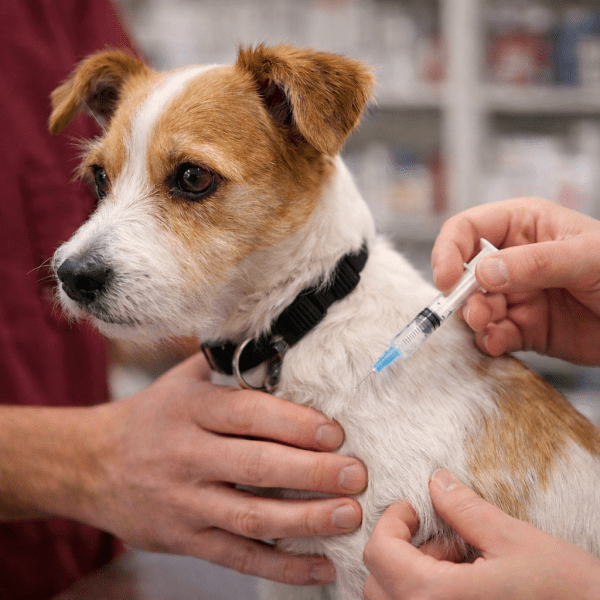
Vaccination Is Part of Preventive Care
Vaccines are just one part of keeping pets healthy. Regular wellness exams allow veterinarians to detect early signs of disease, monitor weight and dental health, and recommend parasite prevention.
Even when pets appear perfectly healthy, routine veterinary visits help identify problems long before they become serious.
Protecting Your Pet Starts with Prevention
Indoor pets often live longer and safer lives than outdoor animals, but they are not immune to disease. Vaccines remain one of the most effective ways to protect them from serious and preventable illnesses.
Preventive care today can save pets from suffering—and owners from heartbreak—later.
Schedule Your Pet’s Wellness Visit
If your pet is due for vaccines or a wellness exam, the team at Windward Animal Hospital is here to help.
Our veterinarians focus on preventive care, personalized vaccine recommendations, and keeping your pets healthy through every stage of life.
📞 Call (770) 569-7298 to schedule an appointment
Your pet’s health—and your peace of mind—are always our priority.