WHAT IS CONSIDERED NORMAL?
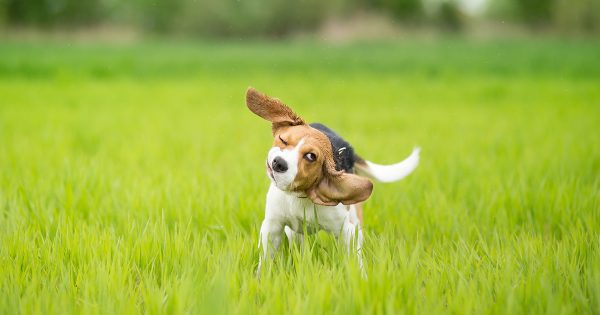
Dogs use a quick head shake and ear flap to: Shake off water after a bath or swim, dislodge a bit of dust, loose hair, or a stray bug, or Express excitement during play. If it happens briefly, stops on its own, and your dog is otherwise normal (no smell, no redness, no tenderness), that can be normal self-grooming.
The problem is repeated, intense, or sudden new ear flapping. That is usually a sign the ear is itchy or painful, not just a quirk. Persistent head shaking and ear scratching are classic signs of ear disease.
– COMMON MEDICAL REASONS THAT MIGHT MAKE IT ABNORMAL –
Most chronic ear flapping traces back to one (or more) of these:
a) Ear infections (otitis externa)
- Very common in dogs; otitis externa (infection/inflammation of the outer ear canal) accounts for a large percentage of vet visits.
- Signs:
- Frequent flapping or head shaking
- Ear scratching or rubbing on furniture
- Redness, swelling, or thickened skin in the ear canal
- Brown, yellow, or black discharge
- Yeasty or foul odor from the ears
- Pain when you touch the ear
Infections can be bacterial, yeast, or mixed. They often come back if the underlying cause (allergies, moisture, anatomy, foreign body) is not addressed.
b) Allergies (one of the biggest drivers)
Dermatology specialists consistently rank allergies as the top underlying cause of itchy ears in dogs.
- Environmental allergies (pollen, dust mites, molds)
- Food allergies
- Contact allergies (shampoos, cleaners, etc.)
The ear canal is lined with skin, so it reacts just like the rest of the skin: inflamed, itchy, and hot. Then yeast and bacteria overgrow, causing secondary infection.
c) Ear mites and parasites
- More common in puppies and outdoor cats but can affect dogs too.
- Often cause intense itch, coffee-ground–like debris, and constant shaking.
d) Foreign bodies and debris
- Grass awns/foxtails, plant seeds, sand, or a piece of a broken cotton swab can lodge in the canal.
- Usually causes sudden, violent head shaking and pawing at one ear.
e) Aural (ear) hematoma
- Repeated forceful shaking can rupture small blood vessels in the ear flap (pinna).
- Blood accumulates between the skin and cartilage, causing a soft, swollen “pillow ear” that can become firm over time.
- Very painful and almost always needs veterinary treatment (often surgery or drainage).
f) Less common but serious causes
- Chronic untreated infections leading to middle or inner ear disease (head tilt, balance problems, eye flicking, walking in circles).
- Polyps or tumors in the ear canal
- Neurologic disease causing head tremors (different from purposeful shaking).
– WHAT YOU CAN SAFELY DO AT HOME –
These are appropriate only if your dog is comfortable, the ears look fairly normal, and there is no severe redness, swelling, or strong odor.
Step 1: Look and sniff
Gently lift the ear flap:
- Healthy ear: pale pink, minimal wax, no odor.
- Concerning signs:
- Red, angry skin
- Thick brown, yellow, or black buildup
- Strong yeasty or foul smell
- Visible sores or scabs
If you see these, skip home treatment and go straight to your vet.
Step 2: Gentle cleaning (when appropriate)
If your vet has already okayed ear cleaning for your dog:
- Use a veterinary ear cleaner designed for dogs (not hydrogen peroxide, alcohol, vinegar, or essential oils).
- Fill the ear canal with solution as directed.
- Gently massage the base of the ear for ~30 seconds; you should hear a squishing sound.
- Let your dog shake their head to bring debris up.
- Wipe only the accessible outer ear with cotton balls or gauze.
IMPORTANT!!! –
- Never insert cotton swabs/Q-tips down into the ear canal; dogs have L-shaped canals, and swabs can push debris deeper or damage the eardrum.
- Do not reuse old prescription drops left over from another infection; this can mask symptoms or worsen resistant infections.
Step 3: Monitor
It may be reasonable to monitor for 24 hours if:
- The flapping is mild and occasional
- Your dog is otherwise acting normal
- Ears look and smell normal
- There are no balance or neurologic signs
If flapping continues beyond a day or two, or worsens, plan a vet visit.
When Ear Flapping Needs a Veterinarian’s Attention
Get your dog seen by a vet promptly if you notice:
- Persistent or intense head shaking or ear flapping
- Constant scratching at one or both ears
- Red, swollen, or painful ears
- Strong odor or visible discharge
- A swollen “pillow” ear flap (possible aural hematoma)
- Head tilt, stumbling, walking in circles, or unusual eye movements
- Crying, hiding, or resisting when you touch the ear
- Fever, lethargy, or loss of appetite
Veterinary sources emphasize that suspected ear infections should be evaluated by a vet rather than self-treated with over-the-counter products; untreated infections can become chronic, damage the eardrum, and cause permanent hearing loss.
WHAT A VET CLINIC MIGHT DO...
At the clinic, you can expect something like this:
- History and physical exam
- How long the flapping has been going on, which ear, swimming/bathing history, allergies, other skin problems.
- Ear exam (otoscopy)
- A lighted otoscope is used to view the ear canal and eardrum, check for foreign bodies, polyps, or deep infection.
- Cytology
- A swab of ear debris is examined under the microscope to identify yeast, bacteria, or mites. This is standard of care and guides the choice of medication.
- Culture and sensitivity (for recurrent or severe cases)
- Lab tests to determine exactly which bacteria are present and which antibiotics will work.
- Treatment plan, which may include:
- Prescription ear drops with a combination of antibiotic, antifungal, and anti-inflammatory medication
- Pain relief
- Parasite treatment if mites or fleas are involved
- Allergy workup and management plan if ear issues are chronic (diet trials, anti-itch meds, referral to a veterinary dermatologist in complex cases).
- For aural hematomas: drainage, surgery, or other techniques to remove the blood, prevent refilling, and preserve ear shape.
- Follow-up
- Recheck visits are important; even if your dog looks better, the infection may still be active deeper in the canal.
HOW YOU CAN HELP REDUCE THIS FROM OCCURRING…
You cannot prevent every issue, but you can lower the risk:
- Regular ear checks
- Look weekly for redness, smell, or buildup, especially in floppy-eared or allergy-prone breeds.
- Smart ear cleaning
- Clean only when there is wax or debris or on a schedule your vet recommends. Over-cleaning can irritate the canal and actually cause problems.
- Dry ears after water exposure
- After baths or swimming, use a vet-approved cleaner with a drying agent to remove moisture that can set up infections.
- Allergy control
- Work with your vet on a plan if your dog has chronic itchy skin or seasonal flares; good allergy management dramatically reduces recurrent ear infections.
- Avoid DIY remedies in the canal
- No alcohol, hydrogen peroxide, essential oils, or home mixes inside the ear unless your vet explicitly approves them.
- Early intervention
- Do not wait for a minor annoyance to become a chronic, painful condition. Early treatment of mild ear issues is simpler, cheaper, and more comfortable for your dog.
If you have questions about your dog’s ears or need an exam, we’re here to help: